Trans en Provence 1981 Farmer Spots Landed UFO
Trans en Provence 1981 Farmer Spots Landed UFO

On January 8, 1981, in the small village of Trans-en-Provence, France, a local farmer named Renato Nicolaï experienced one of the most documented UFO sightings in history.
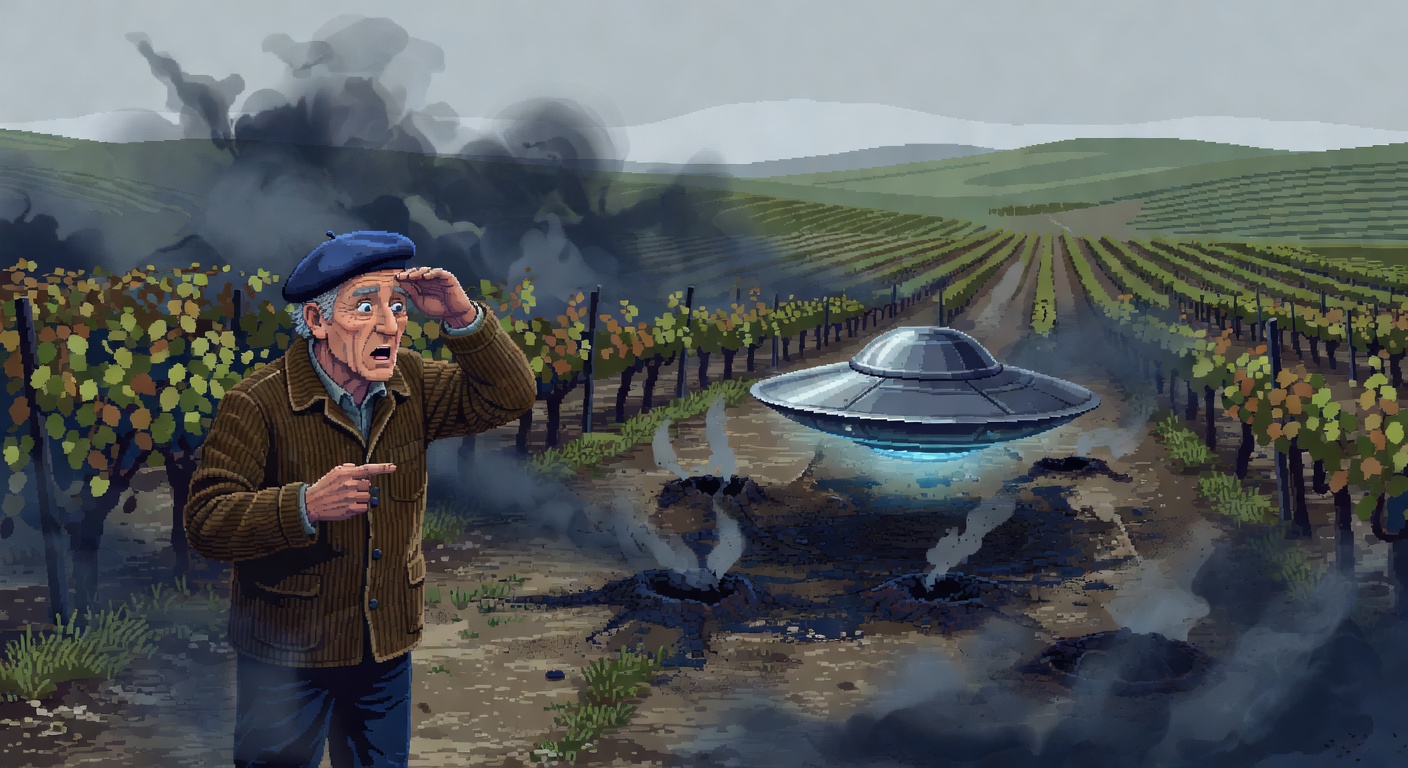
That afternoon, while working in his garden, Nicolaï heard a whistling sound and saw a saucer-shaped object, approximately 2.5 meters in diameter, descend and land about 50 meters away from him. The object was metallic and appeared to have a domed top, hovering briefly before touching down. Startled, Nicolaï watched as the craft stayed on the ground for about a minute, then lifted off with a faint whistle and vanished into the sky.
After the object departed, he noticed unusual markings on the ground where it had landed—circular impressions and scorched vegetation that suggested intense heat. Concerned, Nicolaï reported the incident to the local authorities. The Gendarmerie arrived promptly and documented the scene, collecting soil samples and plant specimens.
These were later analyzed by French scientists and the official UFO investigation group, GEIPAN, which is part of the National Center for Space Studies (CNES). The analysis revealed anomalies in the soil, including increased levels of zinc and phosphoric acid, and changes in the cellular structure of the plants, consistent with exposure to high temperatures.
This case stands out because of the physical evidence, eyewitness testimony, and official involvement, making it a credible example of unexplained aerial phenomena. Eyewitness accounts from Nicolaï were detailed and consistent; he described the object as silent except for the initial sound and noted its rapid departure.
Over the years, this incident has been referenced in UFO literature as one of the best-documented cases worldwide, drawing from various eras of sightings. It serves as a reminder of how ordinary people in different parts of the world have encountered the unknown, bridging historical reports with modern investigations. The Trans-en-Provence event not only captivated the local community but also contributed to broader discussions on unidentified phenomena, emphasizing the need for serious scientific inquiry.