Harry Reid served as U.S. Senator from Nevada from 1987 to 2017 and as Senate Majority Leader from 2007 to 2015. He previously held roles including Nevada lieutenant governor and chairman of the Nevada Gaming Commission.
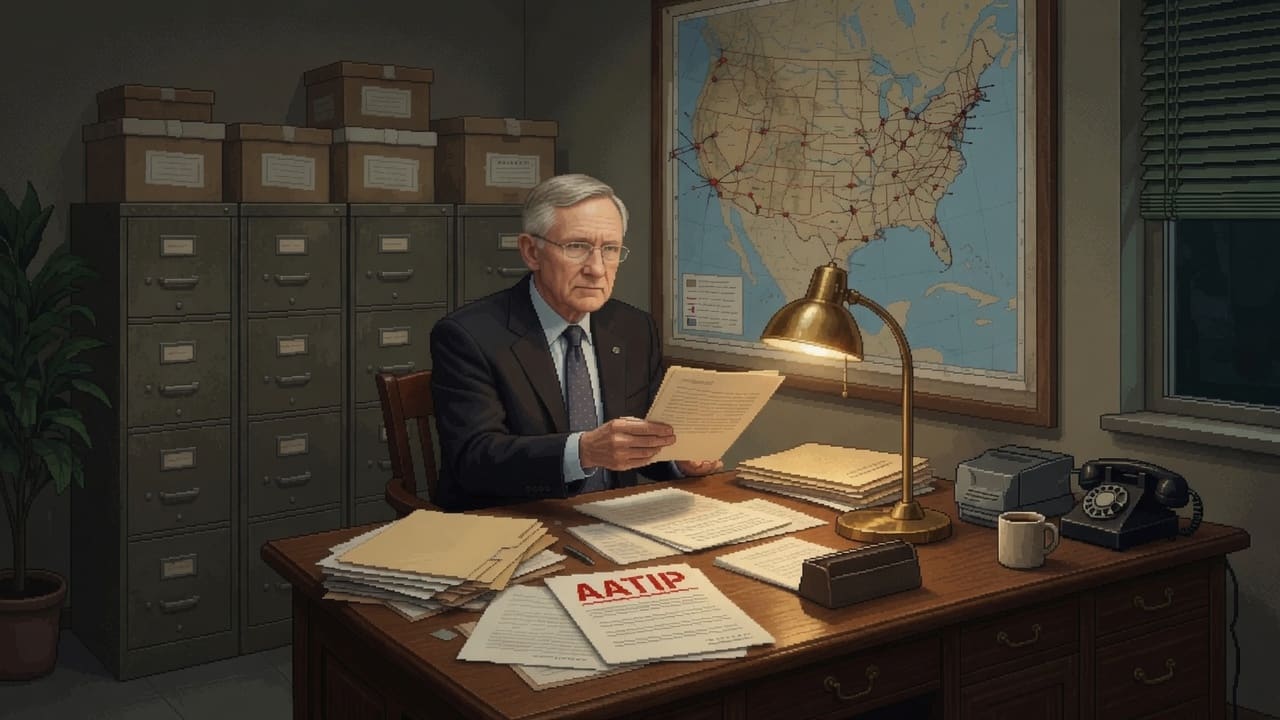
In 2008-2009 Reid secured funding for the Pentagon's AATIP program to study unidentified aerial phenomena reported by military personnel. He requested heightened security protections for the effort in a 2009 letter to the Department of Defense.
- U.S. Senator from Nevada, 1987–2017; Senate Majority Leader, 2007–2015.
- Secured initial congressional funding for AATIP with support from Senators Daniel Inouye and Ted Stevens.
- June 24, 2009: Sent letter to Deputy Secretary of Defense requesting SAP status for AATIP.
- Publicly discussed his AATIP involvement after the program's 2017 disclosure in the New York Times.
- Died December 28, 2021, in Henderson, Nevada.
- United StatesSenator from Nevada
- United States SenateMajority Leader 2007–2015
- Democratic PartySenate Democratic Leader
- Nevada Gaming CommissionChairman 1977–1981
- U.S. House of RepresentativesNevada's 1st district 1983–1987
- PentagonAATIP funding sponsor 2008–2009
Background
Harry Mason Reid was born December 2, 1939, in Searchlight, Nevada, a small mining town. He grew up in modest circumstances without indoor plumbing and later attended Basic High School in Henderson. Reid earned an undergraduate degree from Utah State University in 1961 and a law degree from George Washington University School of Law in 1964 while working nights as a U.S. Capitol Police officer.
After admission to the Nevada bar in 1963, Reid served as city attorney for Henderson from 1964 to 1966. He was elected to the Nevada State Assembly in 1968, serving until 1970. In 1970, at age 30, he became the youngest lieutenant governor in Nevada history, serving alongside Governor Mike O’Callaghan until 1975.
Reid chaired the Nevada Gaming Commission from 1977 to 1981, overseeing the state's casino industry during a period of mob influence concerns. He was elected to the U.S. House of Representatives for Nevada's 1st district in 1982 and served two terms until 1987. In 1986 he won election to the U.S. Senate, where he remained until retiring in 2017.
In the Senate, Reid rose through Democratic leadership ranks. He served as Democratic whip from 1999 to 2005, minority leader from 2005 to 2007, majority leader from 2007 to 2015, and minority leader again from 2015 to 2017. He played a central role in passing the Affordable Care Act and other major legislation during the Obama administration.
Reid developed an interest in unidentified aerial phenomena through conversations with Nevada aerospace executive Bob Bigelow. In 2008, with bipartisan support from Senators Daniel Inouye and Ted Stevens, Reid secured initial funding for a Defense Intelligence Agency effort later known as the Advanced Aerospace Threat Identification Program, or AATIP.
On June 24, 2009, Reid wrote to Deputy Secretary of Defense William Lynn requesting restricted Special Access Program status for AATIP due to national security sensitivities around unconventional aerospace findings. The program operated until around 2012 and examined military pilot reports of unexplained objects.
After the New York Times disclosed AATIP in December 2017, Reid publicly confirmed his sponsorship role. He stated that military personnel should report unusual sightings without fear of career repercussions and expressed no regrets about his involvement despite earlier warnings from colleagues.
Reid retired from the Senate in January 2017 after 30 years of service. He remained in Nevada and continued occasional public commentary on political and national security matters until his death.
Reid authored the memoir The Good Fight in 2008, detailing his career and personal challenges. He received recognition for environmental protections in Nevada, including legislation establishing wilderness areas and national monuments.
Legacy
Harry Reid died on December 28, 2021, at age 82 in Henderson, Nevada, after battling pancreatic cancer. His body lay in state in the U.S. Capitol Rotunda on January 12, 2022, before burial in Searchlight Cemetery.
Reid is remembered for his legislative leadership, including passage of the Affordable Care Act, and for initiating congressional funding of the Pentagon AATIP program that brought UAP research into public view. His 2009 letter remains a key documented link between Congress and the effort.
Last updated 25 October 2026